

Hey there! As a supplier of prefrying fried beef, I often get asked a bunch of questions about the prefrying process. One question that pops up quite a bit is, "Should I cover the pan while prefrying beef?" Well, let's dig into this topic and find out what's the deal.
First off, let's talk about what prefrying is. Prefrying is a crucial step in the process of making delicious fried beef. It helps to seal in the juices, give the beef a nice outer crust, and start the cooking process. But the question of whether to cover the pan or not can really affect the outcome of your prefried beef.
The Case for Covering the Pan
Covering the pan while prefrying beef has its advantages. When you cover the pan, you're essentially creating a mini - oven environment. The steam that gets trapped inside helps to cook the beef from the inside out. This can be great for larger cuts of beef. If you're dealing with a thick steak or a big chunk of beef, covering the pan can ensure that the center of the meat gets cooked properly without over - cooking the outside.

The steam also helps to keep the beef moist. As the water in the beef turns into steam and can't escape, it stays within the pan and keeps the meat hydrated. This can result in a more tender and juicy final product. For example, if you're prefrying a large brisket, covering the pan can help break down the tough connective tissues and make the meat fall - apart tender.
The Case Against Covering the Pan
On the other hand, there are some good reasons not to cover the pan. When you leave the pan uncovered, the moisture can evaporate more easily. This is important if you want to achieve a crispy exterior on your beef. The direct contact with the hot air in the pan helps to dry out the surface of the beef, which is essential for that nice, crunchy crust.
If you cover the pan, the steam can make the surface of the beef soggy. Instead of getting a crispy, golden - brown exterior, you might end up with a soft, unappetizing one. For thinner cuts of beef, like beef strips or small cubes, leaving the pan uncovered is often the better option. It allows the heat to directly hit the meat and quickly sear the surface, locking in the flavors.
My Experience as a Prefrying Fried Beef Supplier
In my business, I've experimented with both methods extensively. For our Com Pudding Crisp, which has a special blend of beef and other ingredients, we found that leaving the pan uncovered during prefrying gives it that perfect crispy texture that our customers love. The direct heat helps to caramelize the outer layer and bring out the rich flavors.
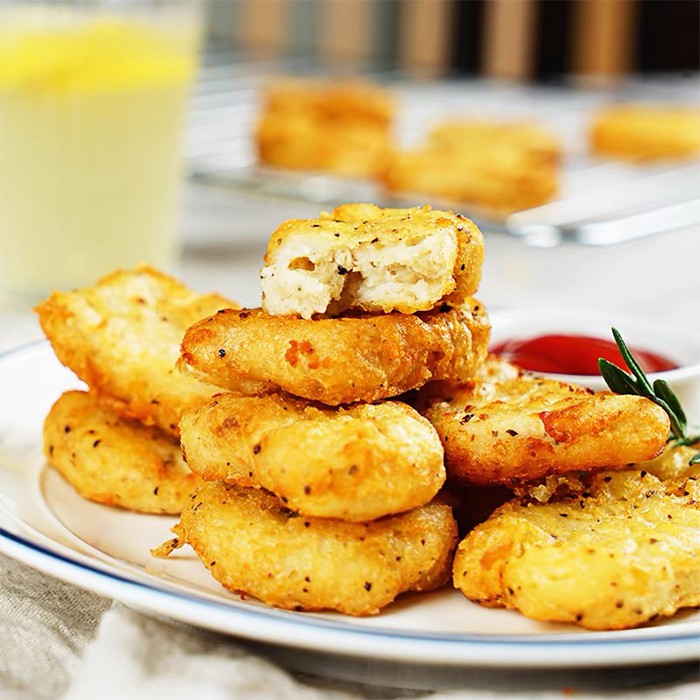
However, for our Chicken Nuggets with Black Pepper (yes, we also have chicken products in our prefrying series), covering the pan for a short period at the beginning of the prefrying process helps to cook the inside evenly. Then we uncover it to get that crispy exterior.
And for our Salted Crispy Chicken, a combination of both techniques works well. We start by covering the pan to cook the chicken through and then uncover it to get that extra - crispy finish.
Factors to Consider
There are a few other factors you should consider when deciding whether to cover the pan or not. The type of beef you're using is a big one. Different cuts have different thicknesses and fat contents, which can affect how they cook. Leaner cuts might dry out more quickly if you cover the pan for too long, while fattier cuts can benefit from the moist environment created by covering.
The heat level also matters. If you're using high heat, leaving the pan uncovered can help prevent the beef from burning. But if you're using low heat, covering the pan can speed up the cooking process.
The time you have is another factor. If you're in a hurry, covering the pan can reduce the cooking time. But if you have more time and want to achieve the perfect texture, you might want to take it slow and leave the pan uncovered.
Tips for Prefrying Beef
Here are some general tips for prefrying beef, regardless of whether you cover the pan or not. First, make sure your beef is at room temperature before you start prefrying. This helps it cook more evenly. Second, season your beef well. A good mix of salt, pepper, and other spices can really enhance the flavor.
Use a good quality pan with a heavy bottom. This helps to distribute the heat evenly and prevents the beef from sticking. And don't overcrowd the pan. If you put too much beef in the pan at once, it will lower the temperature of the pan and result in uneven cooking.
Conclusion
So, should you cover the pan while prefrying beef? Well, there's no one - size - fits - all answer. It depends on the type of beef, the desired texture, and the cooking conditions. As a supplier of prefrying fried beef, I've learned that a bit of experimentation is key. Try both methods and see which one works best for you and your customers.
If you're interested in our prefrying products, whether it's our delicious beef or our chicken options, we'd love to hear from you. Reach out to us for a chat about your procurement needs. We can discuss the best products for your business and how to get the most out of our prefrying series.
References
- "The Science of Cooking Meat" by Harold McGee
- "Modernist Cuisine at Home" by Nathan Myhrvold