

When it comes to selecting the right prefrying series product for your specific needs, there are numerous factors to take into account. As a trusted supplier in the prefrying series industry, I understand the challenges that businesses and individuals face when making these decisions. In this blog post, I'll share some valuable insights to help you navigate through the process and make an informed choice.
Understanding Your Requirements
The first step in choosing the right prefrying series product is to have a clear understanding of your requirements. Consider the following aspects:
Target Market
Who is your target market? Are you catering to a family - friendly restaurant, a fast - food chain, or a health - conscious customer base? Different markets have different preferences. For example, a family - friendly restaurant might prefer classic items like Boneless Chicken Fillet that are well - loved by all age groups. On the other hand, a health - conscious customer base might be more interested in leaner options with less fat content.
Menu Integration
Think about how the prefrying product will fit into your existing menu. Does it complement other dishes? For instance, if you already have a range of beef - based dishes, Prefrying Fried Beef could be an excellent addition. It can be used in various recipes, such as beef tacos or stir - fries, enhancing the overall variety of your menu.
Volume and Frequency of Use
Determine how much of the product you will need and how often you will use it. If you run a high - volume restaurant, you'll need a supplier who can provide a consistent and large - scale supply. Some prefrying products may also have a longer shelf - life, which can be beneficial if you need to stock up for future use.
Quality and Safety
Quality and safety are non - negotiable when it comes to prefrying series products.
Ingredients
Check the ingredients list carefully. Look for products made from high - quality raw materials. For example, in the case of Chicken Nuggets with Black Pepper, the chicken should be sourced from reliable farms, and the spices should be of good quality. Avoid products with excessive additives, preservatives, or artificial flavors.
Production Standards
Ensure that the supplier follows strict production standards. This includes proper hygiene practices in the production facility, quality control checks at every stage of the process, and compliance with food safety regulations. A reputable supplier will be able to provide you with certifications and documentation to prove their adherence to these standards.
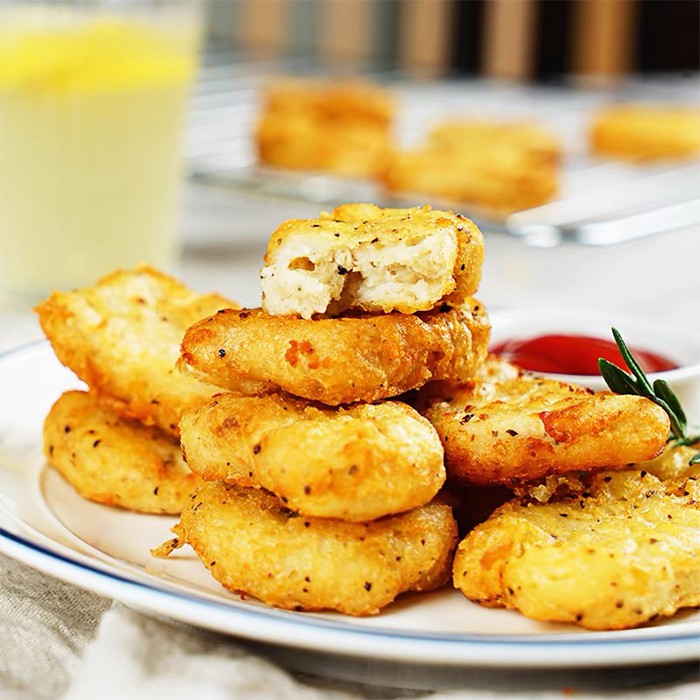

Taste and Texture
The taste and texture of the prefrying product are crucial. Conduct taste tests if possible. The product should have a delicious flavor that appeals to your target market. For example, the Boneless Chicken Fillet should be tender, juicy, and have a well - balanced flavor. The texture should also be consistent, whether it's crispy on the outside and tender on the inside for fried products or firm and succulent for non - fried items.
Cost - Effectiveness
Cost is an important consideration, but it shouldn't be the only factor.
Price Comparison
Compare the prices of different prefrying series products from various suppliers. However, don't just focus on the lowest price. A cheaper product may not necessarily offer the same quality as a slightly more expensive one. Look for a balance between price and quality.
Value - for - Money
Consider the value - for - money aspect. Some products may be more expensive upfront but could result in less waste, higher customer satisfaction, and better profit margins in the long run. For example, a higher - quality Prefrying Fried Beef may cost a bit more but could attract more customers and lead to repeat business.
Supplier Reputation and Support
The reputation of the supplier and the support they offer are vital.
Reviews and References
Look for reviews and references from other customers. A supplier with a good reputation is more likely to provide high - quality products and excellent customer service. You can ask for references directly from the supplier and contact other businesses that have used their products.
Customer Support
Choose a supplier who offers good customer support. This includes prompt responses to your inquiries, assistance with product selection, and help with any issues that may arise during the ordering or delivery process. A reliable supplier will also be willing to work with you to customize products if needed.
Packaging and Storage
The packaging and storage requirements of the prefrying series products are important to consider.
Packaging
The packaging should be designed to protect the product during transportation and storage. It should also be informative, providing details such as ingredients, cooking instructions, and expiration dates. Some products may require special packaging to maintain their freshness and quality, such as vacuum - sealed or frozen packaging.
Storage Conditions
Understand the storage conditions required for the products. Some prefrying products need to be stored in a freezer, while others can be kept at room temperature. Make sure you have the appropriate storage facilities to ensure the longevity and quality of the products.
Conclusion
Choosing the right prefrying series product for your needs is a multi - faceted process. By considering your requirements, quality and safety, cost - effectiveness, supplier reputation and support, as well as packaging and storage, you can make an informed decision. As a supplier in the prefrying series industry, I am committed to providing high - quality products that meet the diverse needs of our customers. If you're interested in learning more about our prefrying series products or have any questions regarding product selection, we encourage you to reach out to us for a detailed discussion and potential procurement. We look forward to the opportunity to work with you and help you find the perfect prefrying solutions for your business.
References
- Food Marketing Institute. (2019). Food Industry Trends and Insights.
- International Food Safety Council. (2020). Best Practices in Food Production and Safety.
- National Restaurant Association. (2021). Menu Development and Customer Preferences.