

Can I make crispy milk rolls with soy milk? That's a question I've been getting a lot lately, and as a crispy milk roll supplier, I'm more than happy to dig into it.
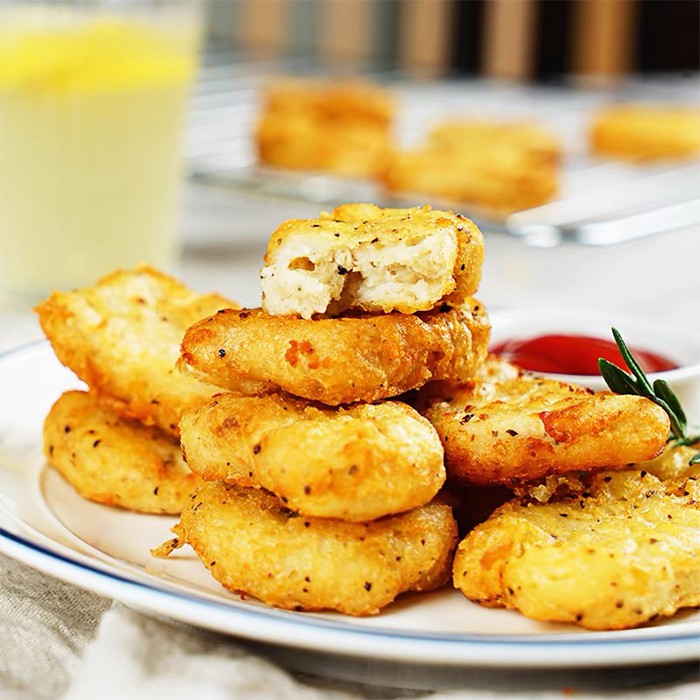
First off, let's talk about what crispy milk rolls are. They're these delicious treats that have a soft, milky center and a crispy outer layer. Usually, they're made with regular milk, but the idea of using soy milk is pretty interesting.

Soy milk has been gaining popularity in recent years, and for good reason. It's a great alternative for those who are lactose intolerant or just prefer a plant - based option. It's also rich in protein and other nutrients. But can it be used to make crispy milk rolls?
The main components of making crispy milk rolls are getting the right consistency for the milk filling and then creating that perfect crispy coating. When it comes to the filling, regular milk has a certain fat content and flavor profile that gives the rolls their signature taste. Soy milk, on the other hand, has a different fat content and a slightly nutty flavor.
In terms of consistency, soy milk can be adjusted to work. You'll need to use a thickening agent like cornstarch, just like you would with regular milk. The key is to cook the soy milk and cornstarch mixture over low heat, stirring constantly until it thickens to a pudding - like consistency. This will form the base of your milk roll filling.
However, the flavor is where things get a bit tricky. The nutty flavor of soy milk can either be a great addition or a turn - off, depending on your taste preferences. If you're a fan of soy - based products, you might actually enjoy the unique twist it adds to the crispy milk rolls. But if you're used to the pure, creamy taste of regular milk in your rolls, it might take some getting used to.
Another aspect to consider is the color. Soy milk is generally lighter in color compared to regular milk. This might affect the overall appearance of your crispy milk rolls. But hey, a different color can also be a selling point, making your rolls stand out from the traditional ones.
Now, let's talk about the crispy coating. Whether you're using regular milk or soy milk for the filling, the process of creating the crispy exterior is pretty much the same. You'll typically coat the cooled milk roll filling in breadcrumbs and then deep - fry it until it turns golden brown and crispy.
As a crispy milk roll supplier, I've been thinking about offering soy - milk - based crispy milk rolls as an alternative product. There's a growing market for plant - based foods, and this could be a great way to expand our product line.
If you're in the food business, you might be wondering how these soy - milk crispy milk rolls could fit into your menu. They could be a unique addition to a dessert section, or you could even market them as a snack. And if you're a consumer, it's an exciting option to try something new.
By the way, if you're interested in other pre - fried food options, we also have some great products like Chicken Nuggets with Black Pepper, Prefrying Fried Beef, and Salted Crispy Chicken. These are all popular choices that have been well - received in the market.
So, can you make crispy milk rolls with soy milk? The answer is yes! With a bit of experimentation and some adjustments, you can create delicious, plant - based crispy milk rolls. Whether you're a home cook looking to try something new or a business owner wanting to expand your menu, soy - milk crispy milk rolls are definitely worth a shot.
If you're interested in purchasing our crispy milk rolls, whether they're made with regular milk or soy milk, or any of our other pre - fried products, feel free to reach out. We're always open to discussing potential partnerships and making deals. We can work together to bring these tasty treats to more people.
In conclusion, the world of food is all about innovation and trying new things. Using soy milk to make crispy milk rolls is just one example of how we can adapt traditional recipes to meet different dietary needs and preferences. So, don't be afraid to step out of your comfort zone and give it a go.
References
- General knowledge on food science and cooking techniques
- Market research on plant - based food trends