

When it comes to culinary experiences, hot pot series and barbecue are two popular options that tantalize taste buds around the world. As a hot pot series supplier, I've had the privilege of witnessing the unique charm of both these cooking styles and understanding the distinct differences that set them apart. In this blog, I'll delve into the various aspects that differentiate a hot pot series from a barbecue, offering insights into their cooking methods, ingredients, dining experiences, and more.
Cooking Methods
One of the most obvious differences between a hot pot series and a barbecue lies in their cooking methods. A hot pot involves simmering a pot of broth on a stovetop or an electric burner. The broth, which can be made from a variety of ingredients such as chicken, beef, pork, vegetables, or seafood, serves as the base for cooking an array of foods. Diners use chopsticks or other utensils to pick up raw ingredients and cook them in the boiling broth for a short period until they are cooked through. This interactive cooking process allows diners to customize the doneness of their food according to their preferences.

On the other hand, barbecue is a method of cooking food over an open flame or hot coals. The food, typically meat, poultry, seafood, or vegetables, is placed directly on a grill or skewers and cooked until it develops a charred exterior and a juicy interior. Barbecue often involves marinating the food in a flavorful sauce or rub before cooking to enhance its taste. The cooking time for barbecue can vary depending on the type and thickness of the food, but it generally requires more attention and monitoring compared to hot pot cooking.
Ingredients
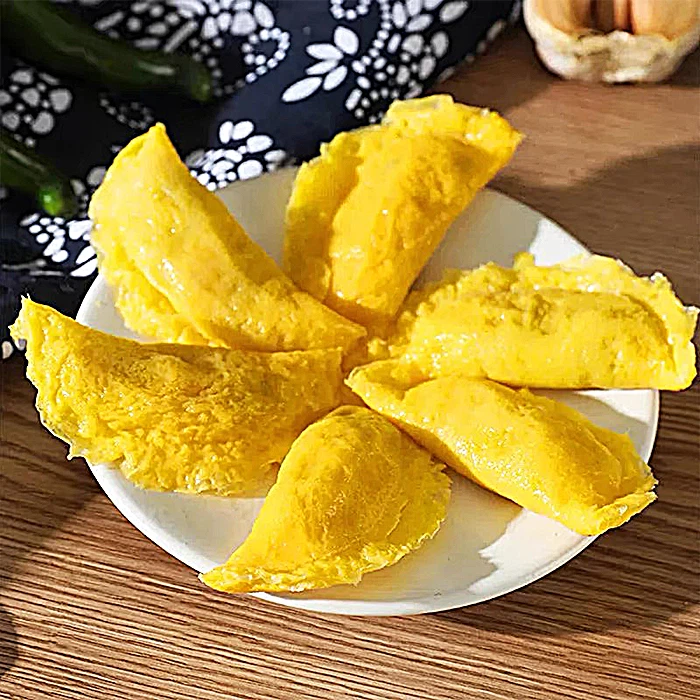
The ingredients used in a hot pot series and a barbecue also differ significantly. Hot pot is known for its wide variety of ingredients, which can include thinly sliced meats, seafood, vegetables, mushrooms, noodles, and dumplings. These ingredients are usually served raw and cooked in the hot pot broth. Some popular hot pot ingredients include Large Grain Shrimp Smooth, Hot Pot Dumpling, and Hotpot Fried Shrimp Cake. The broth itself can also be customized with different flavors, such as spicy, savory, or herbal, to suit individual preferences.
In contrast, barbecue primarily focuses on meat and poultry. Beef, pork, chicken, and lamb are commonly used in barbecue, although seafood and vegetables can also be grilled. Barbecue meats are often marinated in a sauce or rub that typically contains a combination of spices, herbs, and sweeteners. The marinade not only adds flavor to the meat but also helps to keep it moist and tender during cooking. Some popular barbecue sauces include barbecue sauce, teriyaki sauce, and honey mustard sauce.
Dining Experience
The dining experience of a hot pot series and a barbecue is also quite different. Hot pot is a communal dining experience that encourages interaction and sharing among diners. Everyone sits around the hot pot, cooking and eating together. It's a social activity that allows people to enjoy each other's company while enjoying a delicious meal. The slow and leisurely pace of hot pot dining also gives diners the opportunity to savor the flavors of the food and the broth.
Barbecue, on the other hand, can be a more individualistic dining experience. While it can also be enjoyed in a group setting, each person is responsible for cooking their own food on the grill. This allows for more personalization and control over the cooking process. Barbecue is often associated with outdoor gatherings, such as picnics, barbecues, and tailgating parties. The open flame and the aroma of grilled food create a festive and relaxed atmosphere.
Health Considerations
From a health perspective, both hot pot series and barbecue have their own advantages and disadvantages. Hot pot can be a relatively healthy option if you choose lean meats, plenty of vegetables, and a low-sodium broth. The cooking method of hot pot also retains more nutrients in the food compared to other cooking methods, such as frying or deep-frying. However, hot pot can also be high in calories and sodium if you use a lot of fatty meats, processed ingredients, and a rich broth.
Barbecue can also be a healthy option if you choose lean meats, grilled vegetables, and a light sauce. Grilling is a relatively low-fat cooking method that can help to reduce the amount of fat in the food. However, barbecue meats can be high in saturated fat and cholesterol, especially if they are cooked over high heat for a long time. Additionally, the charred exterior of barbecue meat can contain carcinogens, which can increase the risk of cancer.
Conclusion
In conclusion, a hot pot series and a barbecue are two distinct culinary experiences that offer different flavors, cooking methods, and dining experiences. While hot pot is a communal and interactive dining experience that focuses on a variety of ingredients cooked in a broth, barbecue is a more individualistic and outdoor dining experience that emphasizes grilled meat and poultry. Both hot pot and barbecue have their own unique charm and appeal, and the choice between the two ultimately depends on personal preferences and the occasion.
As a hot pot series supplier, I'm passionate about providing high-quality hot pot ingredients that allow people to enjoy a delicious and authentic hot pot experience. If you're interested in purchasing our hot pot products or have any questions about our offerings, please don't hesitate to contact us. We'd be happy to assist you with your procurement needs and help you create a memorable hot pot meal for your customers or guests.
References
- "Hot Pot: A Culinary Journey Through Asia." The Spruce Eats.
- "Barbecue: A History." Texas Monthly.
- "Healthy Cooking Methods: Hot Pot vs. Barbecue." Healthline.