

Hey there! As a hot pot dumpling supplier, I've been getting a lot of questions lately about whether one should add water to the filling of hot pot dumplings. So, I thought I'd share my thoughts on this topic based on my experience in the business.
First off, let's talk about why someone might consider adding water to the filling. Adding water can make the filling more juicy and tender. When you cook the hot pot dumplings, the water turns into steam, creating small pockets of space within the filling. This not only gives the dumplings a lighter texture but also enhances the overall eating experience.
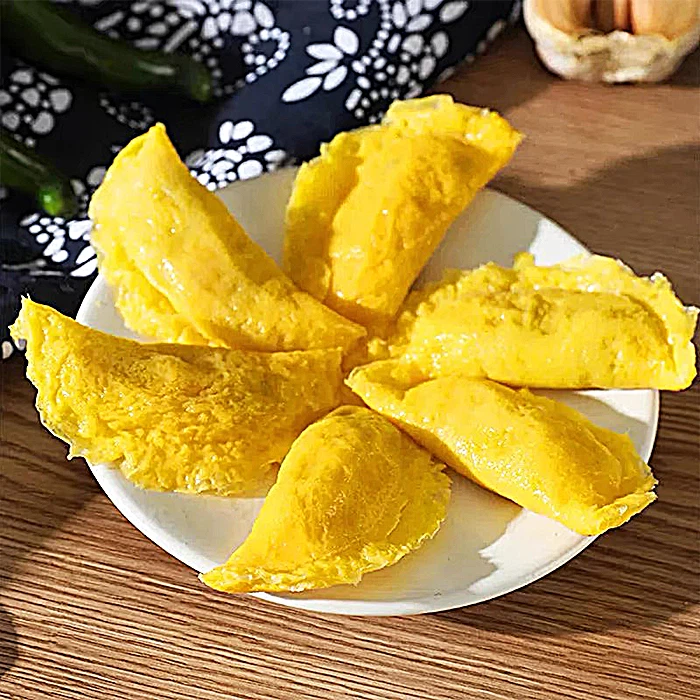

However, it's not as simple as just pouring water into the filling. There are a few things you need to keep in mind. The amount of water you add is crucial. If you add too much water, the filling might become too loose, and the dumplings could fall apart during cooking. On the other hand, if you add too little, you won't get that juicy effect you're aiming for.
In my experience, a good rule of thumb is to add about 10 - 15% of the weight of the meat in the filling as water. For example, if you have 500 grams of meat, you can add around 50 - 75 grams of water. But this can vary depending on the type of meat you're using. Leaner meats like chicken or turkey can absorb more water compared to fattier meats like pork.
Another important factor is how you add the water. You should add it gradually, mixing it well with the meat as you go. This helps the meat absorb the water evenly. I usually use a whisk or a pair of chopsticks to mix the filling, making sure to stir in one direction. This helps develop the gluten in the meat, which gives the filling a better texture.
Now, let's talk about the pros and cons of adding water to the filling. On the plus side, as I mentioned earlier, it makes the filling more juicy and tender. This can be a real selling point for your hot pot dumplings, especially if you're targeting customers who appreciate a high - quality eating experience. It also helps to stretch the filling, which can be cost - effective if you're running a business.
However, there are some downsides. Adding water to the filling can increase the risk of the dumplings falling apart during cooking. This can be a problem, especially if you're using a delicate wrapper. Also, if the dumplings are not cooked properly, the water in the filling might not turn into steam completely, leaving you with a soggy filling.
At our company, we've experimented a lot with different fillings. We offer a variety of hot pot dumplings, including the Large Grain Shrimp Smooth and Fried Stuffed Fish Balls. For our signature Hot Pot Dumpling, we've found that adding a small amount of water to the filling works best. It gives the dumplings that perfect balance of juiciness and texture.
We've also done some market research to see what our customers prefer. Most of them really like the juicy texture that comes from adding water to the filling. But we also know that some customers are more concerned about the dumplings holding their shape. So, we've developed different recipes to cater to different preferences.
If you're a restaurant owner or a food distributor, you might be wondering how this affects your business. Well, offering hot pot dumplings with juicy fillings can set you apart from your competitors. It can attract more customers and increase your sales. But you need to make sure that you're using the right techniques to ensure that the dumplings are cooked properly.
In conclusion, whether you need to add water to the filling of hot pot dumplings depends on your personal preference and the type of dumplings you're making. If you're willing to take the time to perfect the technique, adding water can definitely enhance the quality of your hot pot dumplings.
If you're interested in partnering with us as a hot pot dumpling supplier, we'd love to hear from you. We can provide you with high - quality hot pot dumplings that are made with the best ingredients and the latest techniques. Contact us to start a discussion about your procurement needs.
References
- "The Art of Chinese Dumplings" by Andrea Nguyen
- "Hot Pot: A Global History" by Nicole Mones