

Are deep sea fish balls suitable for children? This is a question that many parents often ask, and as a supplier of deep sea fish balls, I'm here to provide a comprehensive answer based on scientific facts and practical considerations.
Nutritional Value of Deep Sea Fish Balls
Deep sea fish balls are typically made from high - quality deep - sea fish. These fish are rich in essential nutrients that are beneficial for children's growth and development.
Omega - 3 fatty acids are one of the most prominent nutrients found in deep - sea fish. Docosahexaenoic acid (DHA) and eicosapentaenoic acid (EPA) are two types of omega - 3s that play crucial roles in children's brain and eye development. According to a study published in the "Journal of Pediatrics", children with adequate DHA intake tend to have better cognitive function and visual acuity. DHA is a major structural component of the brain and retina, and it helps in the formation of neural connections.
Protein is another vital nutrient in deep sea fish balls. Protein is the building block of the body, necessary for the growth and repair of tissues. Children are in a stage of rapid growth, and they need sufficient protein to support the development of muscles, bones, and other organs. Deep sea fish provides high - quality complete protein, containing all the essential amino acids that the human body cannot produce on its own.
In addition to omega - 3s and protein, deep sea fish balls also contain vitamins and minerals such as vitamin D, vitamin B12, selenium, and iodine. Vitamin D is essential for calcium absorption and bone health, while vitamin B12 is important for the nervous system. Selenium is an antioxidant that helps protect cells from damage, and iodine is necessary for proper thyroid function.
Safety Considerations
When it comes to children, safety is always the top priority. Deep sea fish balls are generally safe for children to consume, but there are a few things to keep in mind.
Firstly, some children may have fish allergies. Before introducing deep sea fish balls to a child's diet, it's important to test for fish allergies. Start with a small amount and observe the child for any allergic reactions such as hives, itching, swelling, vomiting, or difficulty breathing. If an allergic reaction occurs, seek medical attention immediately.
Secondly, the size of the fish balls matters. Young children, especially those under 4 years old, may have a higher risk of choking. It's recommended to cut the fish balls into smaller pieces to reduce the choking hazard.
Also, the quality of the deep sea fish balls is crucial. As a supplier, we ensure that our deep sea fish balls are made from fresh, high - quality deep - sea fish and are processed under strict hygienic conditions. We use natural ingredients and avoid adding excessive salt, sugar, or artificial additives, which is beneficial for children's health.
Palatability and Versatility
Deep sea fish balls are not only nutritious but also very palatable. Their soft texture and mild fish flavor are usually well - received by children. They can be prepared in various ways, which makes them a versatile ingredient in children's diets.
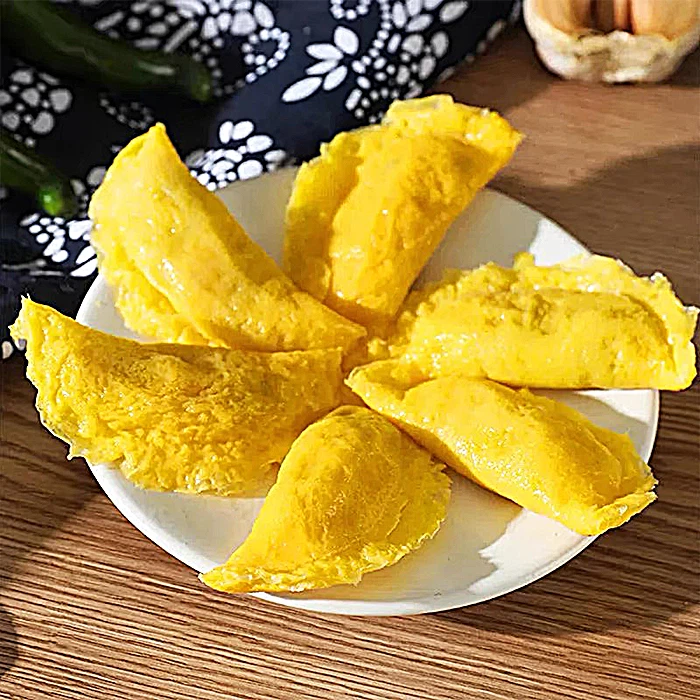
One of the most popular ways to serve deep sea fish balls is in hot pot. You can add them to a hot pot along with other ingredients like Hot Pot Dumpling, Purple Potato GlutnousRice Ball, and Hotpot Fish Tofu. The hot pot provides a warm and delicious meal, especially in cold weather. Children can enjoy fishing out the cooked fish balls from the hot pot, which adds an element of fun to the dining experience.
Deep sea fish balls can also be used in soups. You can make a simple fish ball soup with vegetables and clear broth. The soup is not only easy to digest but also very comforting. Another option is to stir - fry the fish balls with vegetables, which can create a colorful and nutritious dish.
Portion Control
While deep sea fish balls are nutritious, it's important to control the portion size for children. According to dietary guidelines, children should have a balanced diet that includes a variety of foods from different food groups. Too much of one type of food, even a healthy one like deep sea fish balls, can lead to an imbalance in the diet.
For younger children, a few fish balls per meal may be sufficient. As children grow older, the portion size can be gradually increased. It's also important to ensure that children are getting enough fruits, vegetables, grains, and other sources of protein in their diet.
Conclusion
In conclusion, deep sea fish balls are generally suitable for children. They offer a wealth of nutritional benefits, including omega - 3 fatty acids, protein, vitamins, and minerals, which are essential for children's growth and development. However, safety considerations such as fish allergies and choking hazards should be taken into account. With proper preparation and portion control, deep sea fish balls can be a great addition to a child's diet.
If you're interested in sourcing high - quality deep sea fish balls for your family or business, I encourage you to reach out to me for procurement and negotiation. I'm committed to providing the best products and services to meet your needs.

References
- Journal of Pediatrics, "The Role of DHA in Children's Cognitive and Visual Development"
- Dietary Guidelines for Americans